
White Supremacists HATE the Brown and Black Joy of the World Cup

White supremacy is a system in which whiteness supersedes all other cultural norms. European-Americans, for example, lose their cultural specificity for whiteness. The prevailing culture of the United States in the 20th century shifted from regional specificity to a homogeneous whiteness, driven by the post-World War II need to populate suburbs and offices. Where regional specificity offered community, foodways, and linguistic quirks, whiteness is about absence. Given how much consumerism has fueled the economy, I should say an absence of authenticity, because the 20th century has been marked by plenty of boring stuff. Buying products to be like the lady down the street will not be as fulfilling as experiencing something your ancestors did. But here’s where discussions of white supremacy go awry. Immediately, white Americans get their hackles up. They didn’t own slaves. They’ve had hardships. It’s not their fault. If you feel defensive, at this point, it’s worth reading on.
The system failed white people, too. Humans are social beings, even the most introverted of us. Our loneliness epidemic stems from our lives not matching our bodies’ evolution. We spent millennia being together and less than 100 years becoming isolated. This short period of time disconnecting does offer hope. We can undo what capitalism and technology have wrought on our collective souls.
Trump was ushered into power by hate. White Americans largely voted for Trump because they didn’t want Black Americans or immigrants to have any benefits. They were happy to sacrifice their own happiness. As President Lyndon Johnson might have said, “If you can convince the lowest white man he's better than the best colored man, he won't notice you're picking his pocket. Hell, give him somebody to look down on, and he'll empty his pockets for you." For this superiority, they need to keep their hatred stoked and their blinders on.
The World Cup, despite the Draconian measures the Trump administration has imposed on visitors (why, ever, are seats not selling out?), has shown what life can be like. Rather than the rigid racial and political tribalism of American life, we are seeing true happiness. Pride in one’s community that doesn’t require owning or diminishing others. Collective celebration based on goodwill instead of enjoying someone else’s failures. Most importantly, a central focus on joy—not the type of fleeting happiness a purchase offers, but true joy. (I’ve written about the difference recently.) The World Cup highlights where white supremacy has got many Americans unhappy, angry, and excited to share their state of being.
White Folks with Culture
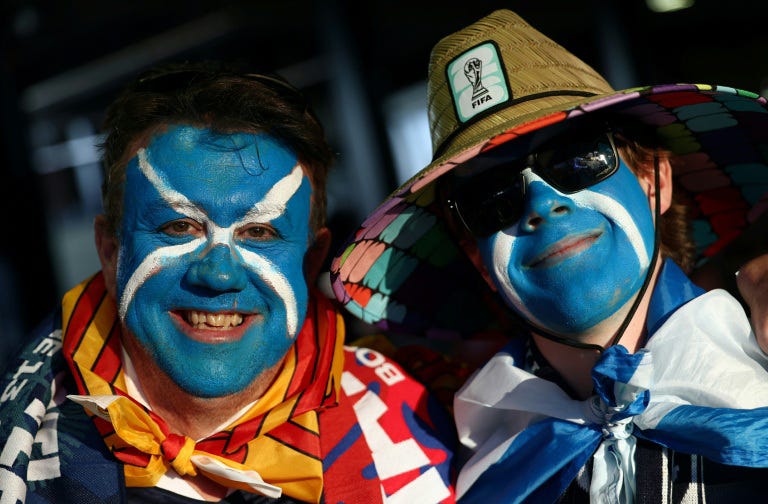
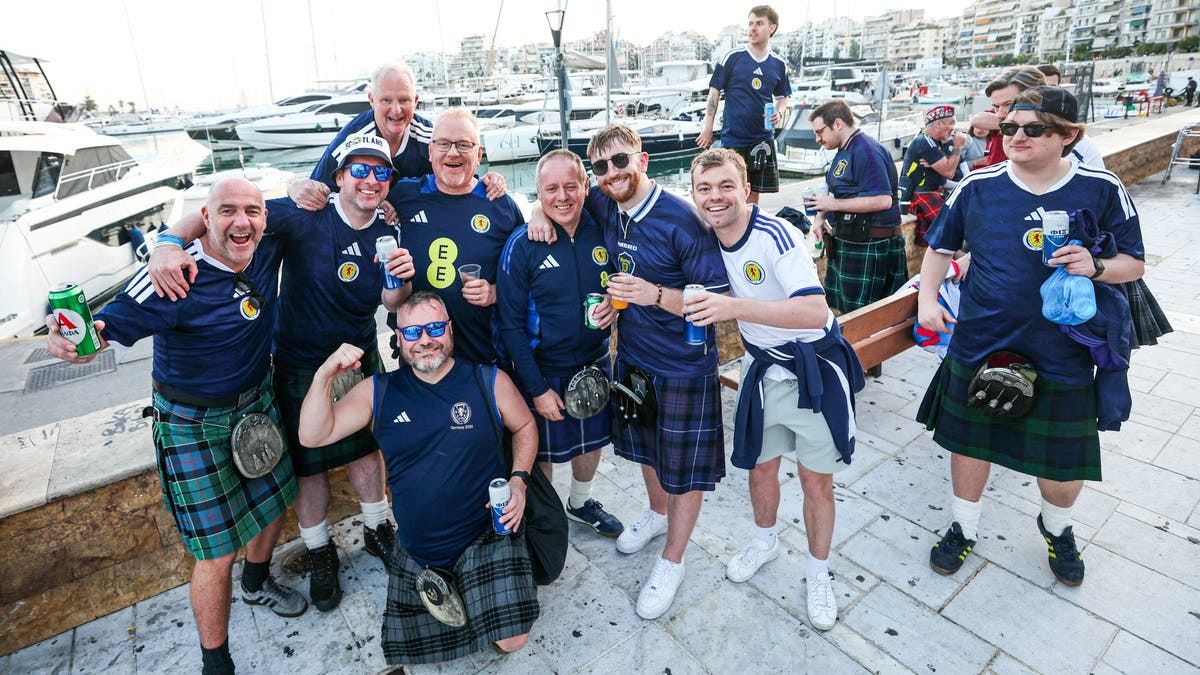
The Scots arrived for World Cup 2026 with kilts, a love of drinking, and a greater love of having fun. Their humorous adventures have filled social media platforms. While they’re European, they’re not white in the American sense. Much of the early migration to the United States was fueled by Scots, including those who were first displaced to Ireland (the so-called Scotch-Irish) and those who were driven out after the Jacobite Uprisings in the 17th and 18th centuries. Many of these early Scottish immigrants are the long-ago ancestors of MAGA, having found themselves pushed to rural parts of the US.
More than once, MAGA has pointed to the Scots as what they wished for immigration, only to be returned with truly poetic put-downs. Scotland has historically voted very liberal. The economy is often much stronger than that of the British home counties that voted overwhelmingly for Brexit, a reactionary movement that should have served as a warning to the US, but we’re too individualistic and exceptional to look beyond our shores. The Scots have also funded arts and culture. Culturally, they’re not allergic to learning. Much of the earliest medical research in the UK was based in Scotland. While MAGA might see themselves as Scottish, the Scots see little of themselves in America’s loudest troglodytes.
The biggest difference is that the Scots aren’t frightened of urban life. A vibrant trade and manufacturing city, Glasgow has urban beauty as well as functional districts. Its beauty is not just in the built environment but also in the diverse people. Functional cities are varied by nature, and only the most fearful cannot understand plurality as a strength.
Herein lies the biggest difference between the Scots and their MAGA kin: the Scots seem fearless. Not just of urban life, but about the joy of novel experiences. Boston, with its long Irish roots, might feel similar to someone from the UK. But Miami is truly culturally different. They’ve shown up there with as much joy as they had for Boston. Where MAGA bemoans urban life and vilifies difference, the Scots have shown a different path. They wear kilts and play bagpipes, but their outlook is not backward. They fear nothing but losing a match.
Team Kit as Joy
Nationalism and jingoism are wielded with punitive force by the Trump administration. Trump followers have supported treason and shredding the Constitution, so why care about flag code? The ex-girl scout troop leader in me, though, cannot help but sigh when I see the ways in which they adorn their bodies, homes, and trucks in flagrantly incorrect ways. For them, patriotism is about being without consequences, not about freedom. The flag is a hall pass for their worst behavior, not a reminder to rise to our best.
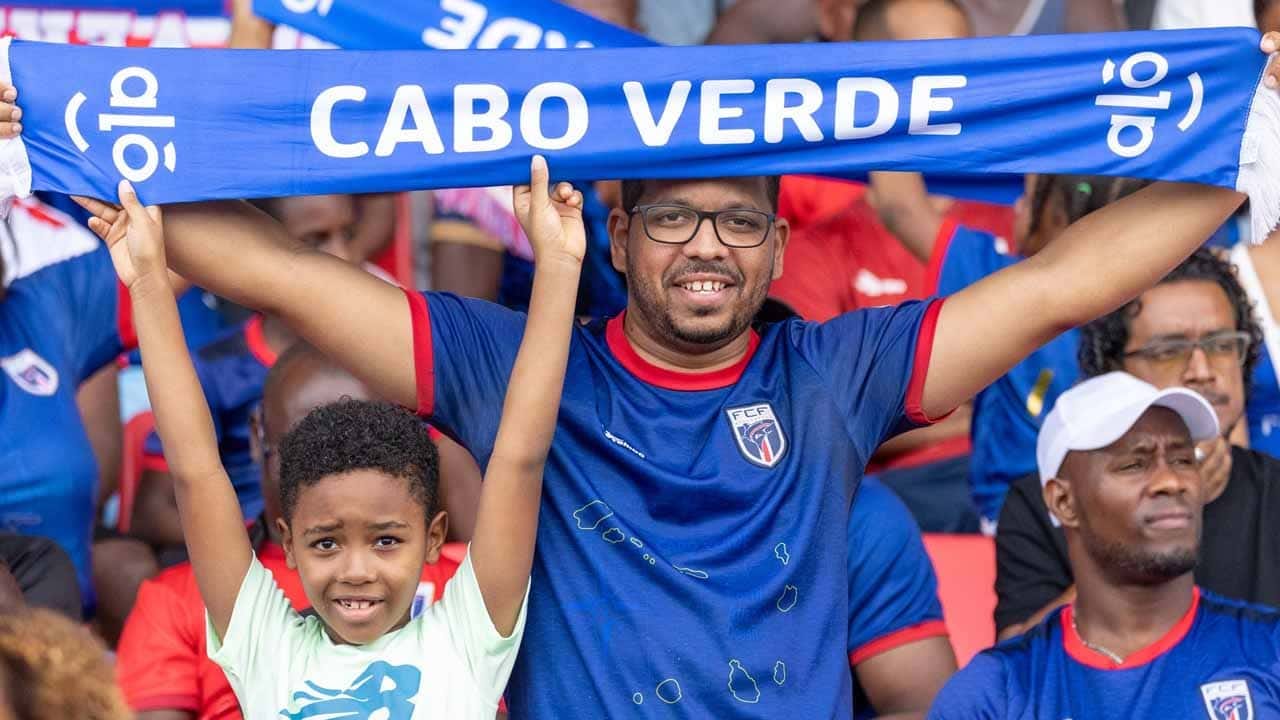
While the US opted for a Where’s Waldo-style flag code violation in their Team kit, many other teams focused on sharing their hopes and heritage. Cabo Verde’s kit centered on the people rather than politics. The smallest nation at the tournament, Cabo Verde, an archipelago of ten volcanic islands off the coast of West Africa, is home to roughly 525,000 people. Rather than the flag alone, this little-known nation shared its footprint.
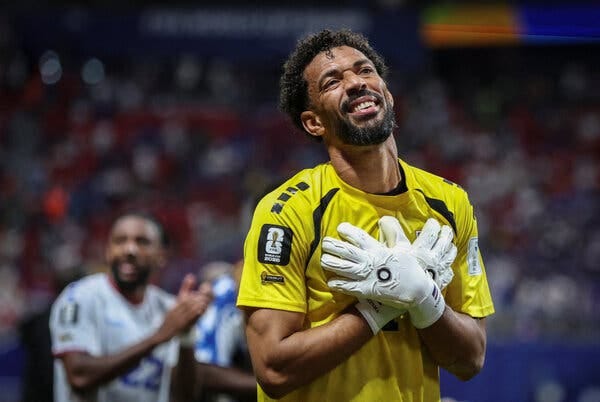
The meaning is simple and beautiful. A scattered nation is united behind eleven players on a pitch thousands of miles away. The kit’s message proved prophetic. In their opening match, Cabo Verde held heavily favored Spain to a 0-0 draw, a result that felt like the whole archipelago holding firm together. The 40-year-old goalie kept blocking for an amazing evening, topped off by a tearful thank you to the fans. While there are but 1/2 million inhabitants, culturally, many people around the world feel the excitement of the team. In this way, the map on the shirt is more of a welcome than a wall.
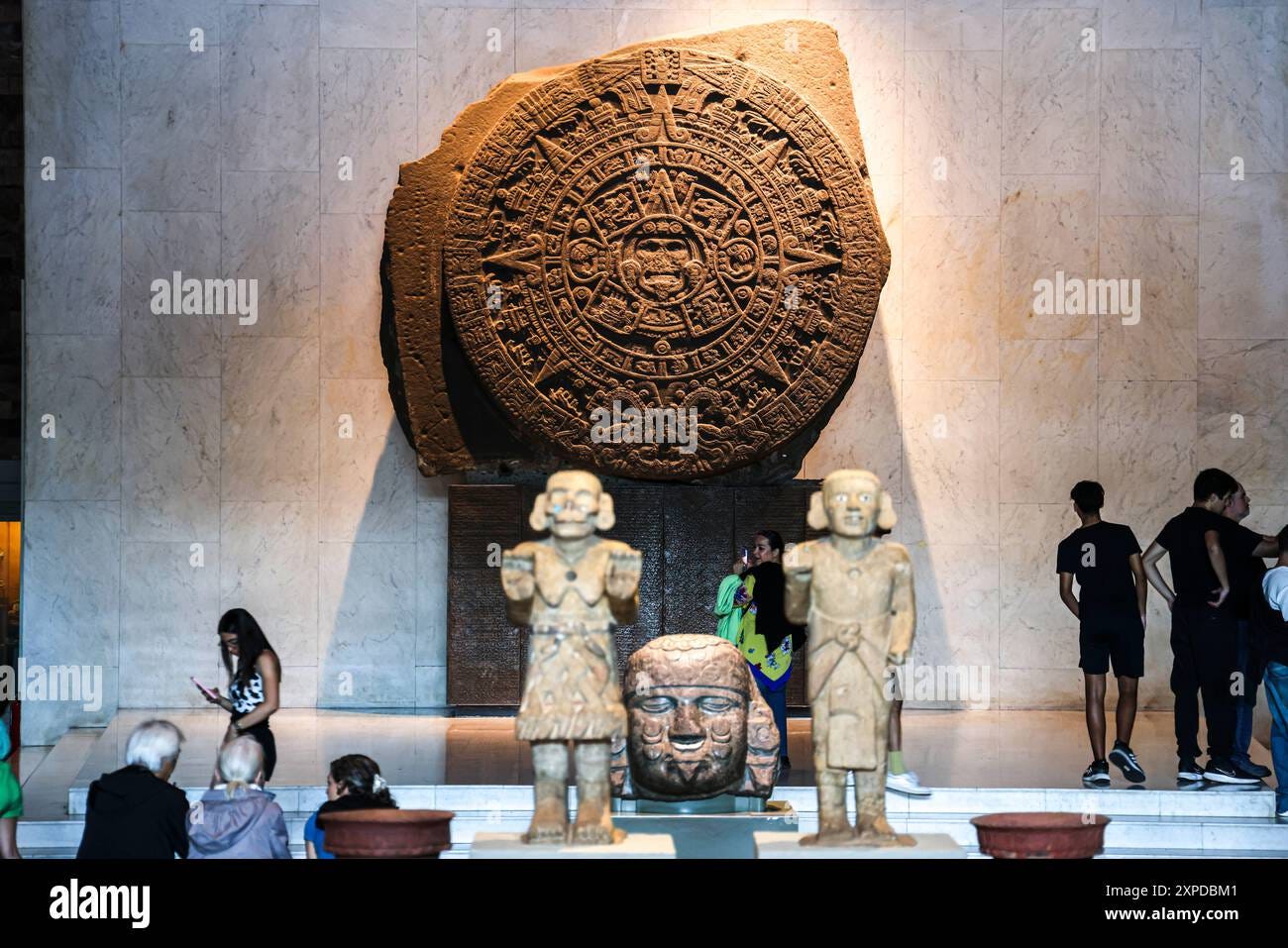
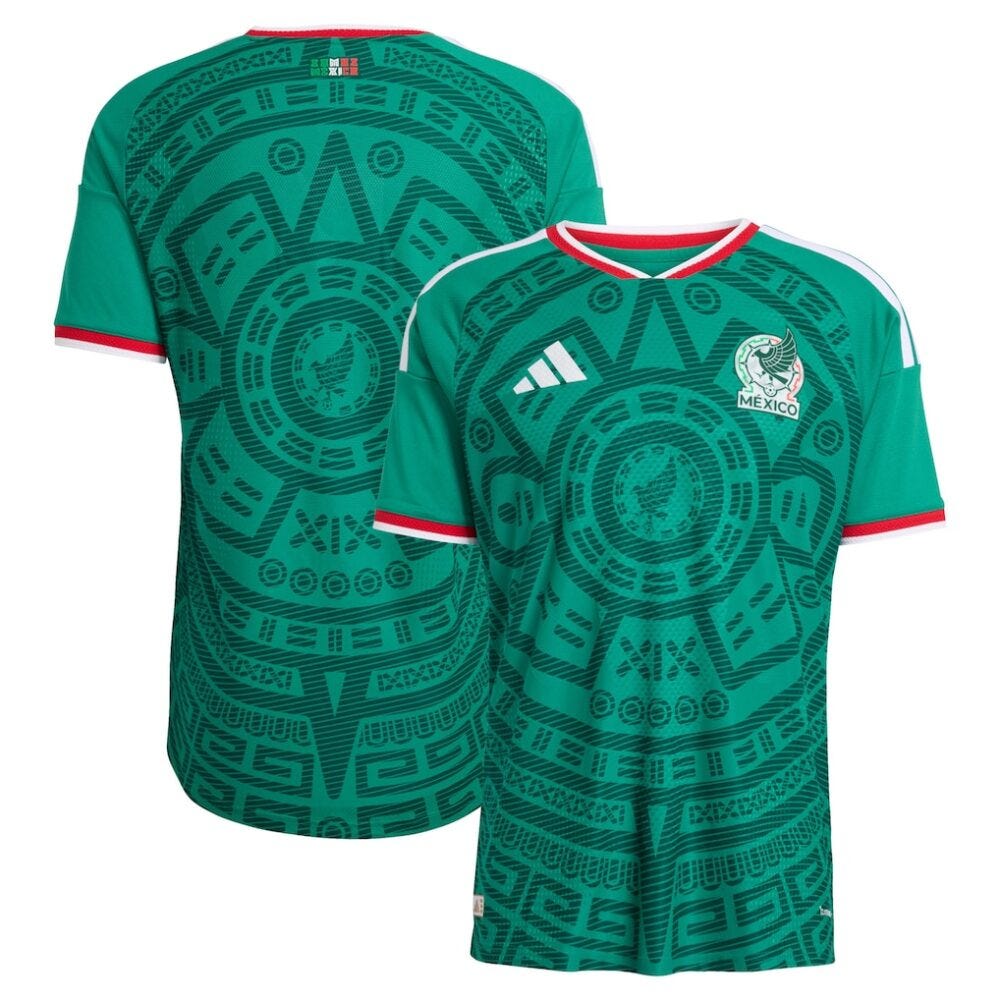
Similarly, Mexico shows that heritage doesn’t require jingoism, in direct contrast to the US as the host nation. Mexico’s jersey is inspired by the Mexica calendar motif that fans loved in the 1990s. The squad is wearing the Piedra del Sol, the Stone of the Sun, a carved monolith known worldwide as the Aztec calendar. Look closely at the shirt, and you find the dense cosmological and astronomical carvings of that ancient stone rendered in shadow. But where the original calendar places its sun deity at the center, the jersey places the swooping eagle of the Mexican coat of arms. It is a thousand years of identity layered into a single garment, ancient empire and modern republic in the same breath. Rather than ignore indigenous heritage as the Trump administration has, Team Mexico is playing with their heritage on their bodies.
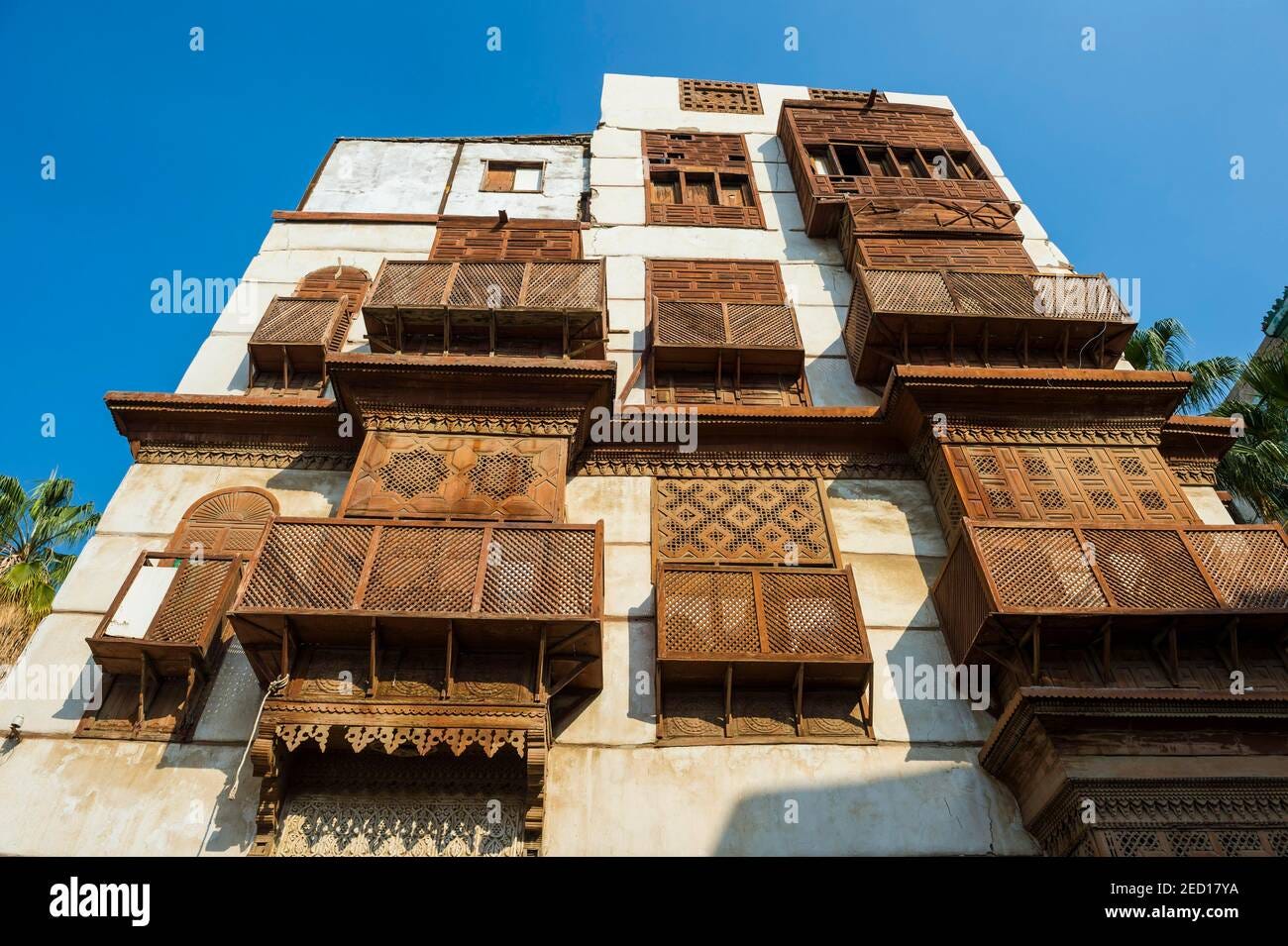
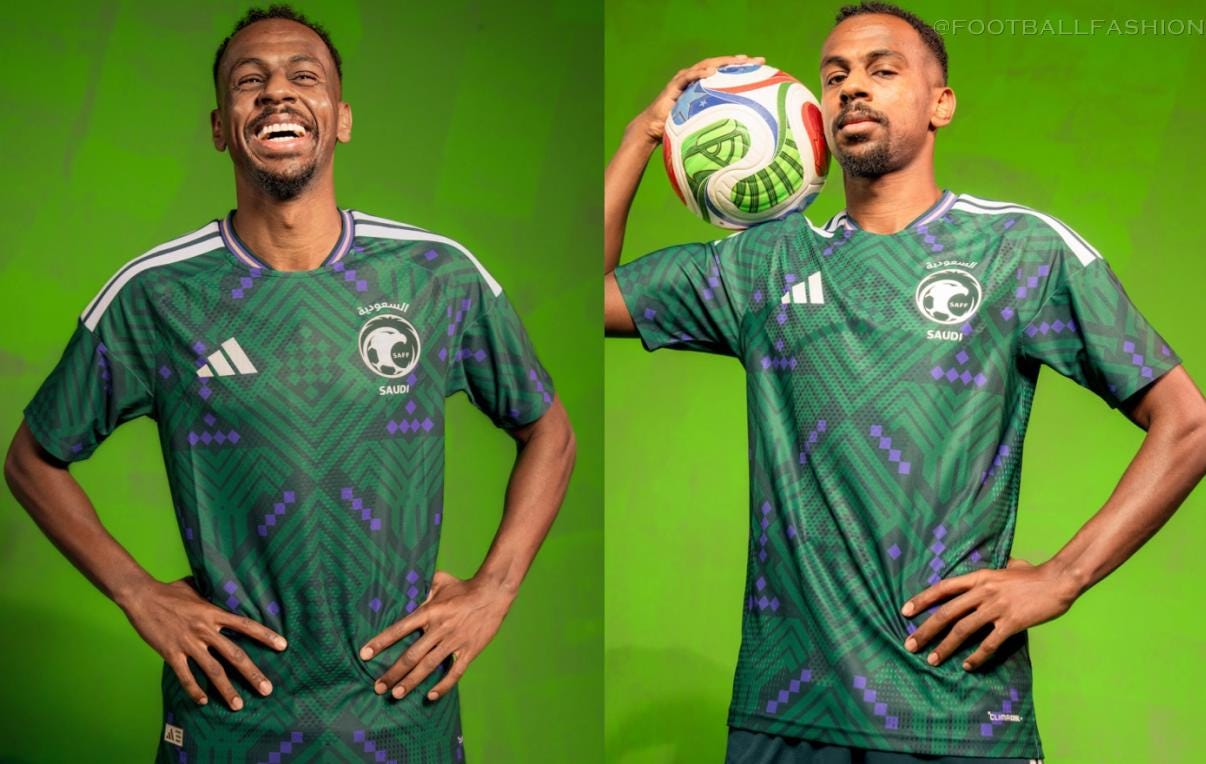
Some of the references to the people might be harder to place. Saudi Arabia’s dark green home shirt is dotted with symmetrical lavender diamonds, and the meaning is rooted in domestic life. The shapes are a tribute to the geometric, triangular decoration found above doorways in traditional Saudi homes, the kind of patterned architecture that marks a threshold. The color matters too. Wild lavender blooms across the kingdom’s desert landscapes each spring, long making purple a celebrated color in the country and a recognized symbol of generosity. It is a kit about hospitality, about the home and the welcome at its door.
Dida cloth was the inspiration for the Côte d’Ivoire ceremonial kit. The designer Ibrahim Fernandez drew on the colors and effects of the Dida people’s traditional cloth, which is braided and tie-dyed. Made from the fibers of the raffia palm, thousands of strands are interlaced. The texture is similar to linen. The fiber is then dyed with vegetable pigments derived from leaves, minerals, roots, and the kola nut. They produce this signature fabric without a loom. This nod to such a skillful technique in the team kit creates a link between history and the present.
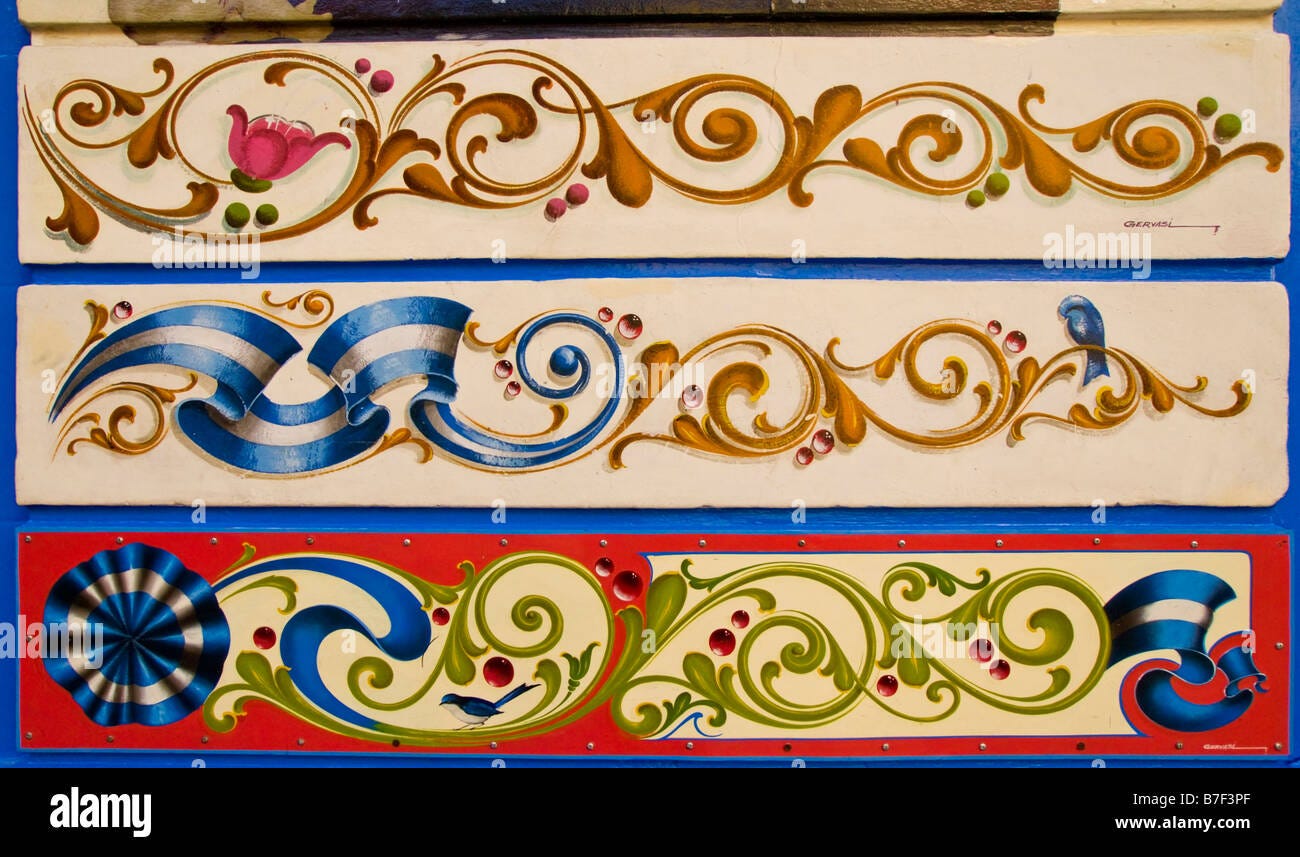
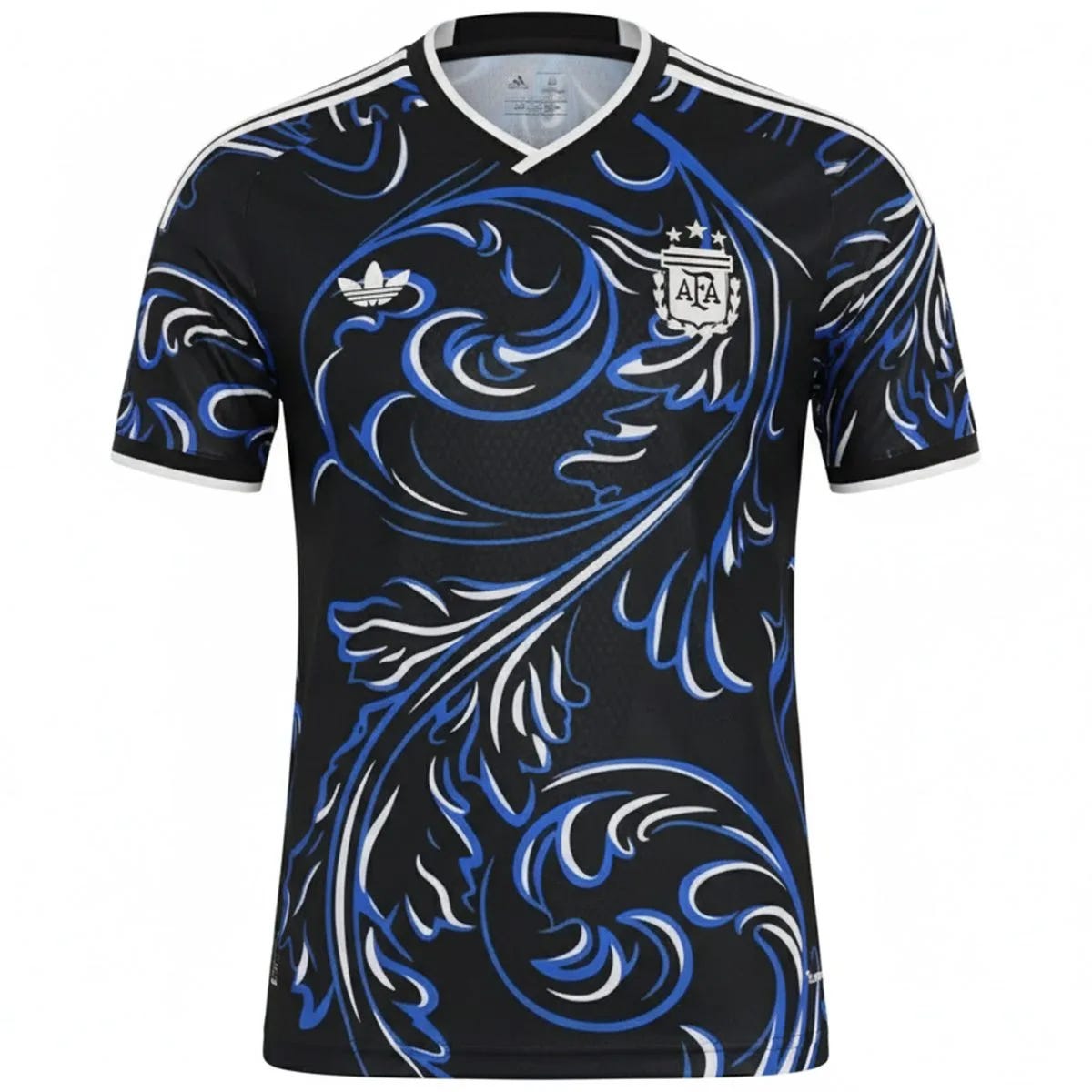
The defending champions used the art of the street as inspiration, drawing on filete porteño, the ornamental painting tradition native to Buenos Aires, all brilliant swirling color, climbing floral vines, and the elaborate lettering you see hand-painted on the city’s carts, shop signs, and buses. It is one of the few kits at the tournament that honors not a king or a battle but a working-class folk art, the visual language of a capital city.
The flag can serve as shorthand for representing the people collectively. Think of the flags in people’s bios on social media. The creation and maintenance of nationhood, though, is fraught, so flags can be poor stand-ins for community. I imagine that wearing a Soviet flag for the Central Asian Republic might have felt less than adequate prior to independence. Currently, in the US, it’s become a divisive symbol, as mentioned earlier. However, finding connections to the community is harder—it requires understanding and representing the people, not just a few.
Honoring Strength
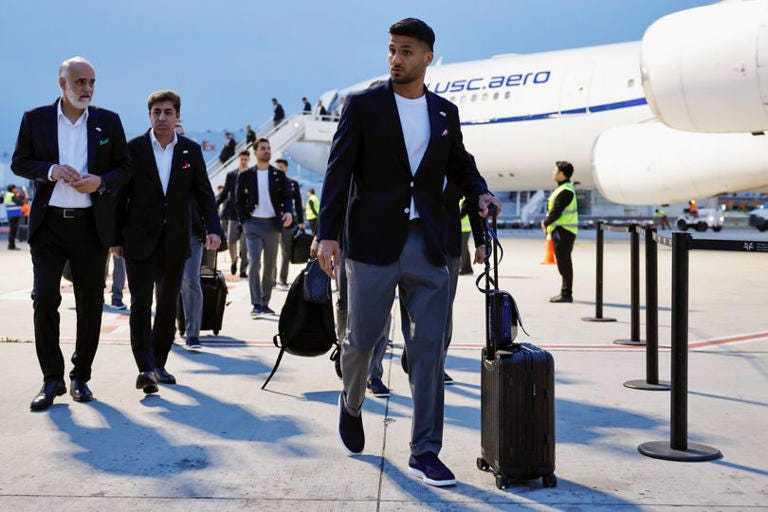
The Iranian team has felt the ire of the Trump administration. Team Iran was not allowed to live in their original host country, the US, as the psychopathic president of that nation started a war to ensure the populace forgot about the Epstein files. Unlike teams with an easily accessible home city, the Iranian team has been moved to Mexico at the last minute.
Their kit featured an urgent plea to save the Asiatic cheetah, stretched low across the front of both shirts, with the cat’s distinctive spots running up the sleeves to the shoulders. The Asiatic cheetah is a critically endangered cousin of the African cheetah, every bit as fast and far closer to extinction. Iran has spent decades trying to save it. Where there were perhaps 400 in the 1990s, fewer than an estimated 70 remain in the wild today, almost all of them in Iran. By putting the animal at the center of the national kit, Iran turned a football shirt into a conservation plea, broadcasting the cause to billions of viewers. The cheetah also serves as a metaphor for the strength of the Iranian team. While they’ve had a war foisted on them for reasons largely outside their control, they’re still hanging on.
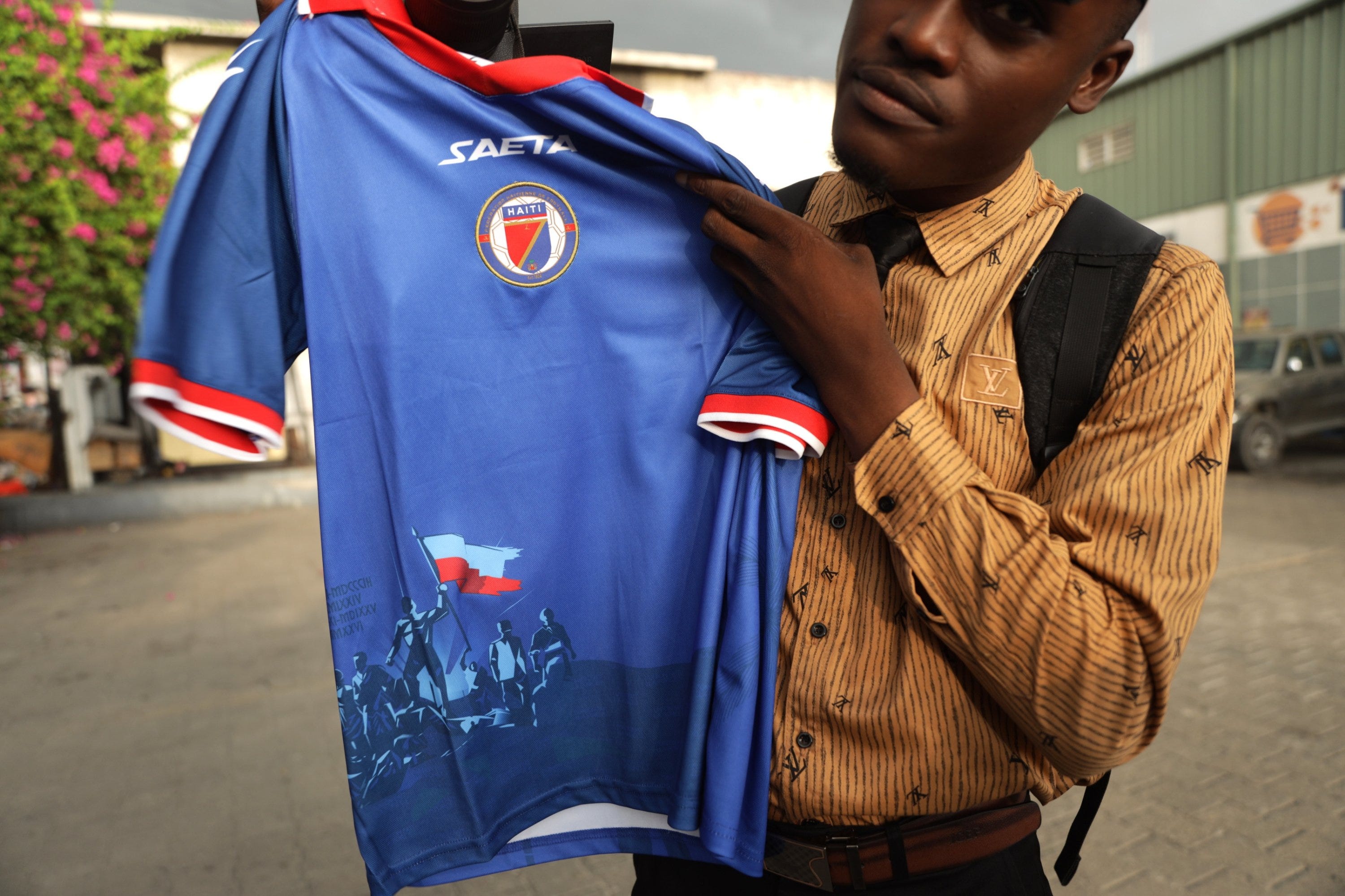
Not every heritage story was allowed to be told. I’ve previously written about Haiti attempting to share its story for the Olympics. Haiti’s original kit, designed by the Colombian sportswear manufacturer Saeta, featured a depiction of the final battle of the Haitian War of Independence in 1803 across the front, billed as a tribute to the men and women building the nation’s future. It was a bold and proud piece of history, the story of the only successful slave revolt to found a nation.
FIFA rejected it during the approval process, deeming the image too political. Haiti was forced to submit a revised blue kit without the battle artwork. It is a reminder that the World Cup stage, for all its openness to national pride, draws a hard and sometimes uncomfortable line around what counts as acceptable expression. The story of Haiti’s kit became, in the end, a story about who gets to decide which heritage is allowed to be shown.
Joy as Community
Politics cannot be erased from sport or life. But the moments of collective joy, like when the whole world celebrated with Cabo Verde online, remind us that “pleasure is a measure of freedom,” as adrienne marie brown wrote in Pleasure Activism (2019). That so many of the teams, thanks to the expansion to 48 nations, are in the global south offers everyone the chance to see Black and brown joy. People get to watch DR Congo, a nation that’s come back from the brutality of Belgian colonialism and an authoritarian leader.
Even in this, Trump has reminded us that stupidity and hatred know no bounds. Majority white countries had no visa restrictions, but fans from Senegal and Cabo Verde had trouble getting access to visit. Trump has forgotten that soft power is about attraction and goodwill. Showing the world, including countries that are aware of inept authoritarian dictators, that we’re being run by clowns isn’t the image that will increase tourism. Lord knows our economy has left us with sorely diminished hard power.
What’s truly obvious from the national celebrations that are happening around the World Cup is how much the US lacks joy. We’ve given the world an example of how hate can serve as the final nail in the economy's coffin. For this stellar slide, we’ve earned less, lost jobs, lost international acclaim, and become unhappier. Social media has been fueled by our national desire to make each other ever more miserable.
But joy is possible. Race is a construct, one that often is honed in anti-Blackness. As Nell Irvin Painter wrote in The History of White People (2010), “race is an idea, not a fact.” Given so much of American culture was built through erasure, not just for white Americans but Native Americans and Black people, in the World Cup, we could find ourselves an opportunity. Culture can be generative. We have roots and regionalisms we can foster. If we lead with joy and inclusion, we can find ourselves at the next World Cup as a transformed people, but we’d need to learn to serve as a team.
Ceci N'est Pas a Jersey, But Is It Art?

This is not a jersey. But it’s sort of about pipes, art, and how we as people make connections.
Fantastic read.